How to Become a Surface Pattern Designer: Getting Started
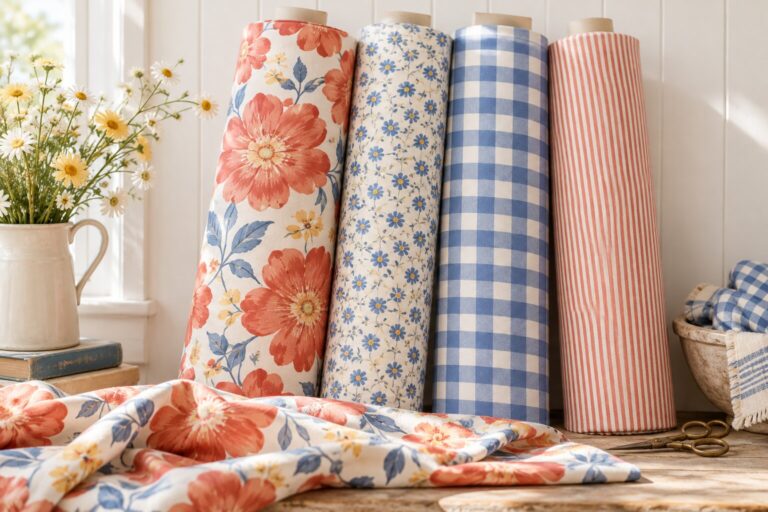
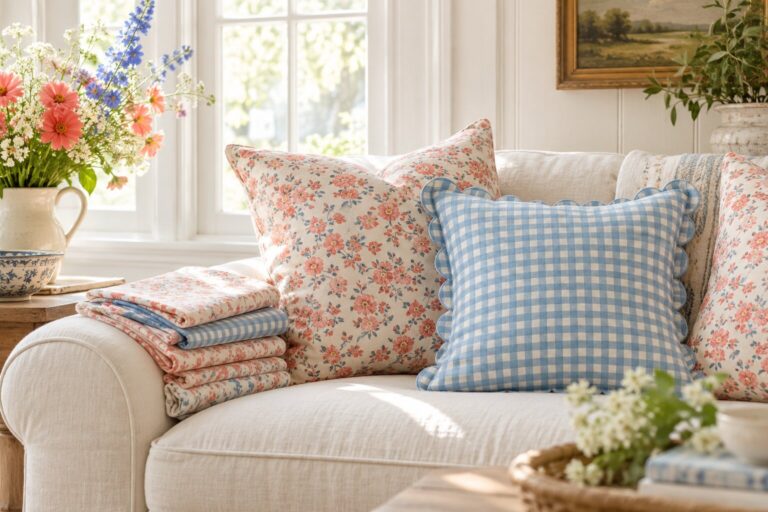
Look at the sheets on your bed, the wrapping paper on a gift, the wallpaper in a nursery, or the fabric on a favorite pouch. Someone designed every one of those patterns. Surface pattern designers create the artwork that repeats across fabric, paper, home goods, packaging, and more, and it is a creative path that welcomes people from every background.
If you love drawing, color, and the satisfaction of a motif that tiles perfectly, this could be for you. Here is a clear, honest look at how to get started, what to learn first, and how to build a portfolio that opens doors.
What does a surface pattern designer do?
You design artwork that repeats seamlessly, which means the pattern tiles in every direction without visible edges or gaps. That artwork is then applied to products. Sometimes you sell or license it to a company that makes the products. Sometimes you make the products yourself.
Patterns versus illustrations
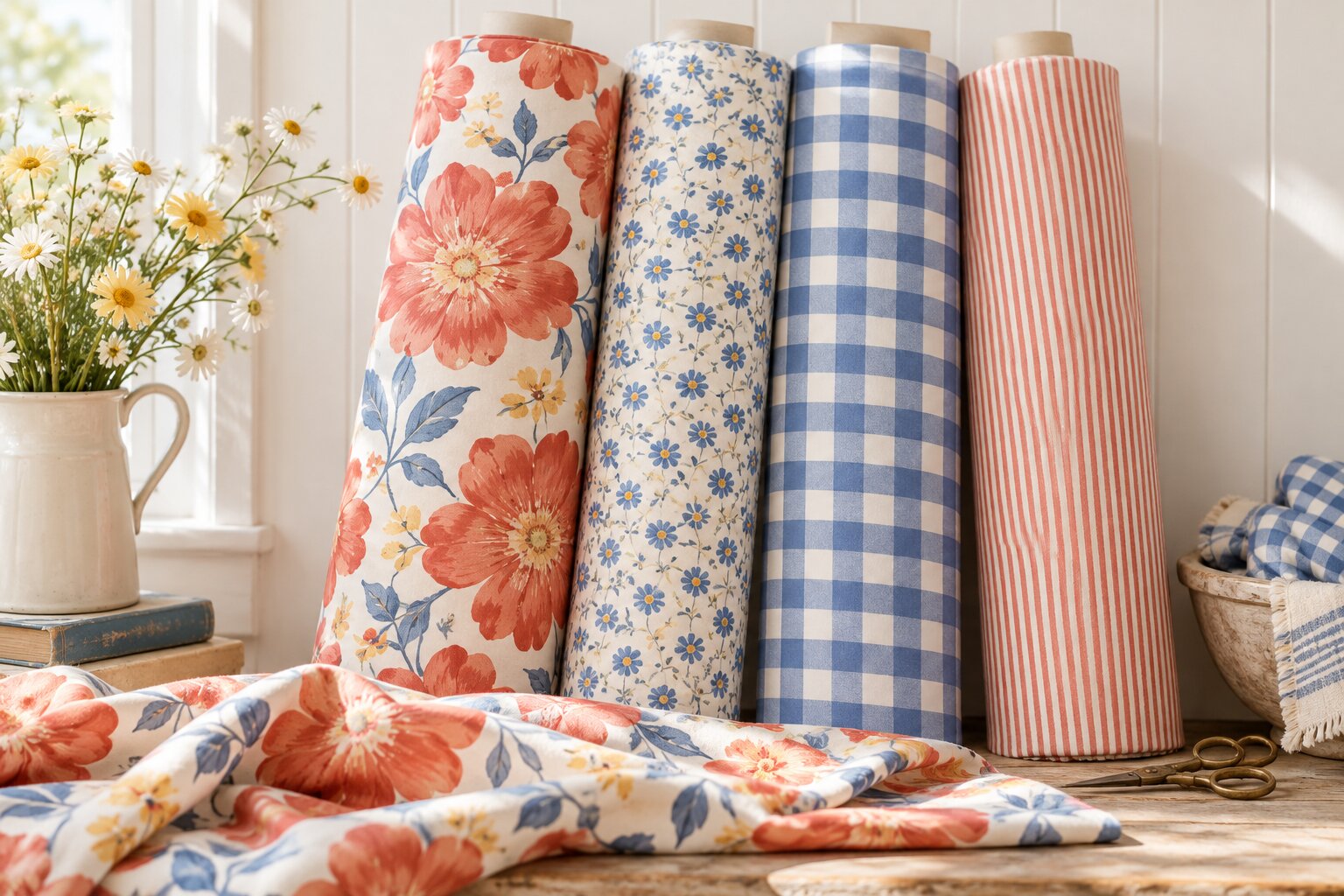
An illustration is a single image. A pattern is a system. It is built from motifs, spacing, scale, and color so that the design works when it repeats over meters of fabric. Learning to think in repeats is the heart of this craft.
Ways to earn from your designs
| Path | How it works | Good to know |
|---|---|---|
| Art licensing | A company pays to use your art on products | You keep ownership. See our licensing guide |
| Print on demand | You upload designs and a platform prints products when ordered | Low startup cost, lots of competition |
| Your own products | You make and sell items featuring your patterns | You handle production and shipping |
| Client commissions | A brand pays you to design custom patterns | Steady work, requires business skills |
| Teaching | You share what you know in classes or downloads | Grows with your audience |
Many designers combine several paths. You might license a collection, sell fabric on demand, and take a custom project, all in the same year. Read the full guide to how art licensing works when you are ready to go deeper.
The skills worth building
Drawing and painting
You do not need to draw like a fine artist. Hand-painted florals, simple geometrics, doodles, and cut-paper shapes all make wonderful patterns. A recognizable style matters more than technical perfection.
Color
Cohesive palettes make collections feel professional. Start with three to six colors, then add a neutral and one accent. Study how your favorite brands combine colors, and build a habit of saving palettes you love.
Composition and flow
Good patterns guide the eye. You want a mix of large hero motifs, medium supporting elements, and small filler shapes arranged so nothing clusters or leaves holes. This takes practice, so keep making patterns.
Repeat structures
Learn the main repeat layouts and how to build them. Our guide to creating a seamless pattern repeat walks through three layouts every designer should know.
Business basics
Pricing, contracts, copyright, and basic marketing are part of the job. You do not need a business degree, but you do need to understand what you are agreeing to when you sign something.
“
A recognizable style will take you further than a perfect one.
Tools to start with
You do not need a studio, and you do not need to buy everything at once. Choose one drawing method and one repeat tool, and add more as you grow.
| Tool | Best for | Notes |
|---|---|---|
| Pencil, paper, scanner | Hand-drawn motifs | The cheapest way to begin |
| Procreate (iPad) | Painting and drawing motifs | Popular for illustrative styles |
| Adobe Illustrator | Vector patterns and repeats | Has built-in pattern tools |
| Adobe Photoshop | Raster and painted patterns | Offset filter helps build repeats |
| Affinity Designer | Vector and raster in one app | One-time purchase option |
Your first 90 days
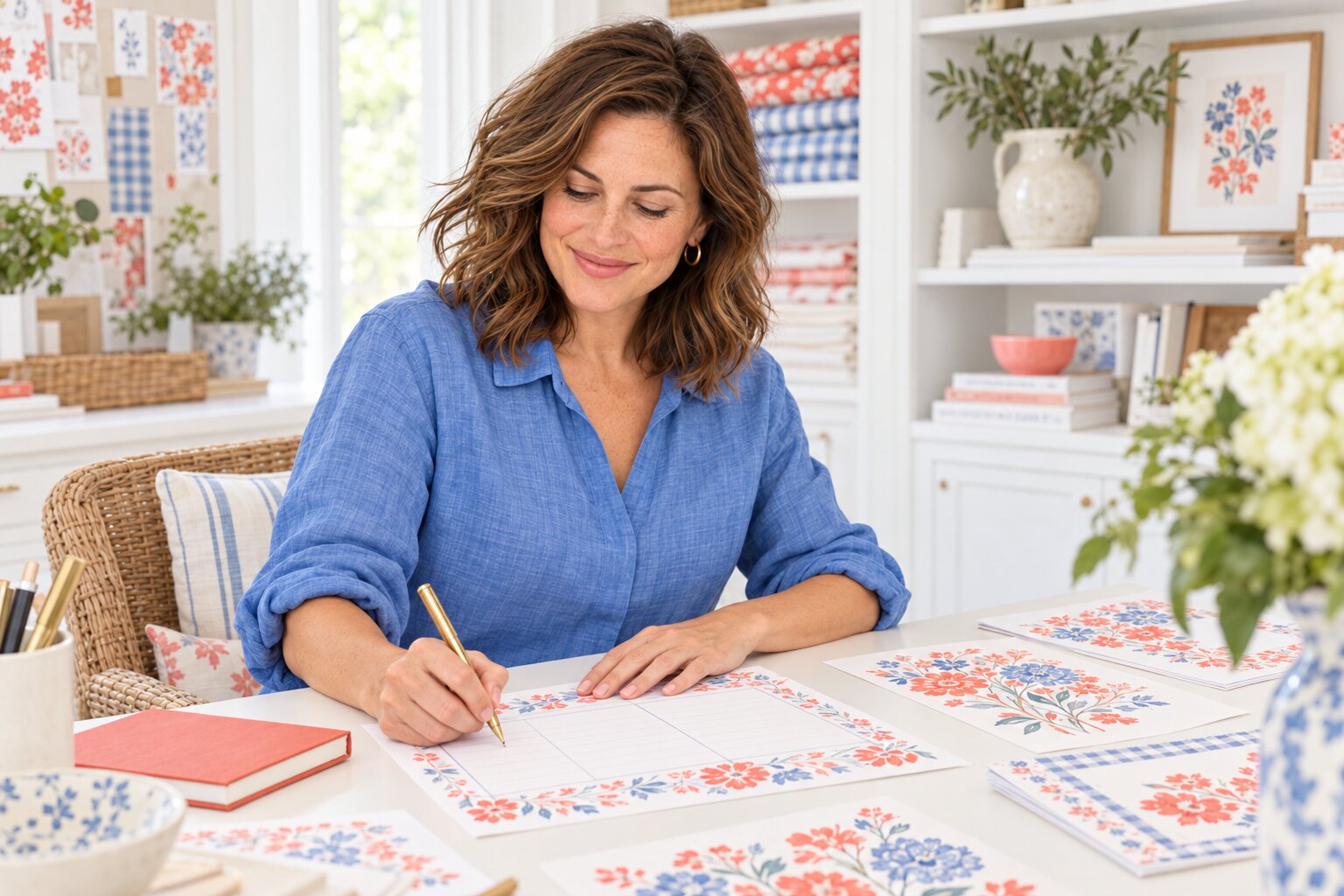
A plan keeps you moving, and a deadline keeps it fun. Here is a realistic roadmap.
A 12-week starter plan
1
Weeks 1 and 2: Learn what a seamless repeat is, including block, half-drop, and brick layouts.
2
Weeks 3 to 6: Create your first three patterns around a single theme, each with a coordinating color palette.
3
Weeks 7 to 10: Build a small collection of five to eight patterns that work together.
4
Weeks 11 and 12: Create product mockups and set up an online portfolio.
Build a cohesive portfolio
Companies want to see that you can deliver a collection, not just a single pattern. Show a clear point of view and a consistent level of quality. Include a few mockups so buyers can picture your art on a product.
What a strong collection includes
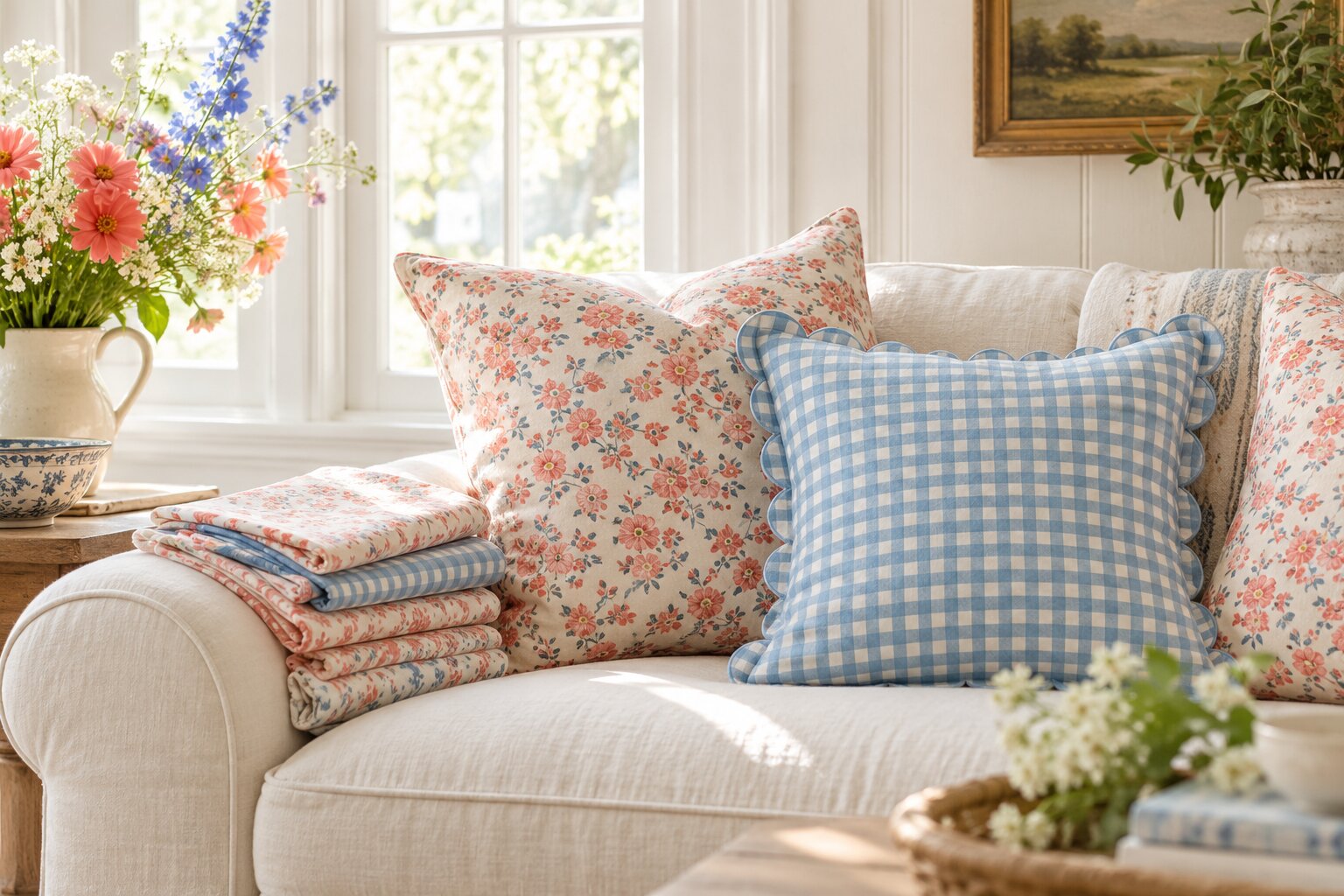
Common mistakes to avoid
Copying trends instead of developing a style. Trend research is useful, but a portfolio that looks like everyone else’s does not stand out.
Showing too many unrelated patterns. A focused collection beats a scattered gallery.
Stay patient and keep making
Surface pattern design is a skill that grows with practice. Make something every week, share your work, and learn from feedback. The designers who succeed are usually the ones who keep showing up.
Frequently asked questions
Next step
Learn how a seamless repeat works
Block, half-drop, and brick: three layouts every designer should know, with simple steps you can follow in any program.
You do not need permission to begin. Start with a sketchbook, choose a theme, and make your first pattern this week.