7 Easy Crochet Projects for Beginners (That Look Handmade, Not Homemade)
The best beginner projects are small, useful, and forgiving. They give you a quick win, teach one new thing, and leave you with something you actually want to use. These seven ideas rely on the same few skills, chains, single crochet, and double crochet, and most can be finished in a weekend.
If you have not picked up a hook yet, start with our first-week crochet plan. If you are ready, choose one from the list below and gather your supplies.
| Project | Skills | Time | Yarn |
|---|---|---|---|
| 1. Dishcloth | Chain, single crochet | An evening | About 70 to 100 yards |
| 2. Coasters | Single crochet in the round | An evening | Scraps |
| 3. Chunky scarf | Double crochet | A weekend | 300 to 500 yards |
| 4. Headband | Single or double crochet | An afternoon | About 100 yards |
| 5. Market bag | Mesh stitch | A weekend | 300 to 400 yards |
| 6. Baby blanket | Repeat stitch | A few weeks | 800 to 1,200 yards |
| 7. Beanie | Working in the round | A weekend | 150 to 250 yards |
Quick wins: finish them in an evening
1. A simple dishcloth
A square in single crochet is the ultimate first project. It is quick, practical, and a great way to practice even tension. Use cotton yarn so it absorbs water and holds up to washing.
Quick recipe
1
Chain 31 and single crochet in the second chain from the hook and across.
2
Chain 1, turn, and single crochet in each stitch for about 30 rows.
3
Fasten off and weave in your ends.
2. Coasters
Coasters are small enough to finish in one sitting and are a lovely way to use up scraps. Work a flat circle or a square, and stop when it is the size you like. Cotton yarn is best for absorbing condensation.
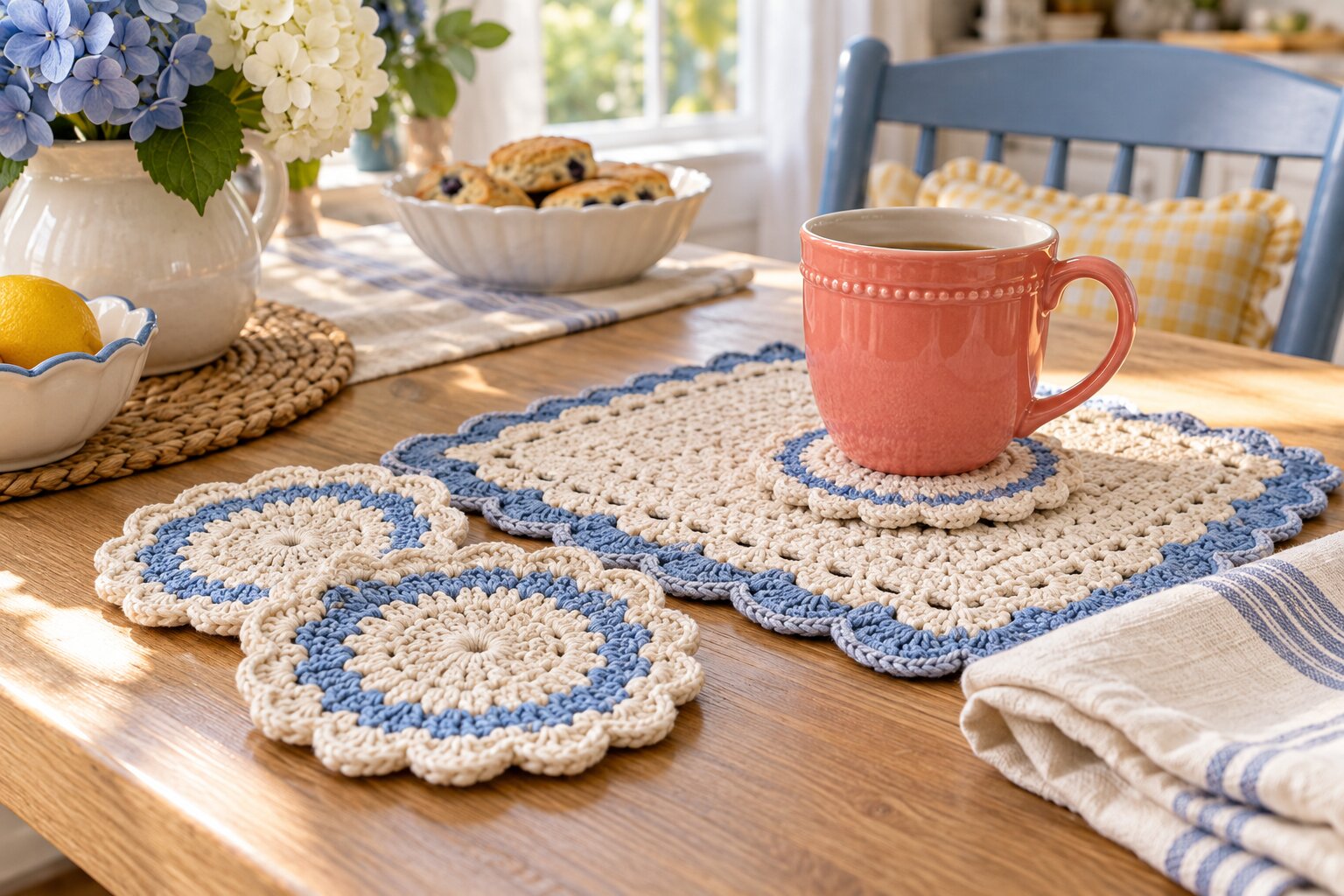
If your circle starts to ruffle, you are adding too many stitches. If it cups into a bowl, you are adding too few. Adjust the next round.
Weekend projects
3. A chunky scarf
Use bulky yarn and a large hook. A simple rectangle in double crochet works up fast and teaches you to keep your edges straight. Make it as long or as short as you like.
4. A headband or ear warmer
Make a rectangle long enough to wrap around your head, seam the short ends, and you are done. Add a twist in the middle for a stylish finish, or work a row of single crochet around the edge for a neat border.
5. A market bag
Cotton yarn and a basic mesh stitch create a stretchy, reusable bag. Mesh is made of double crochet and chain spaces, which gives you practice reading a pattern. Add sturdy handles and you will use it all summer.
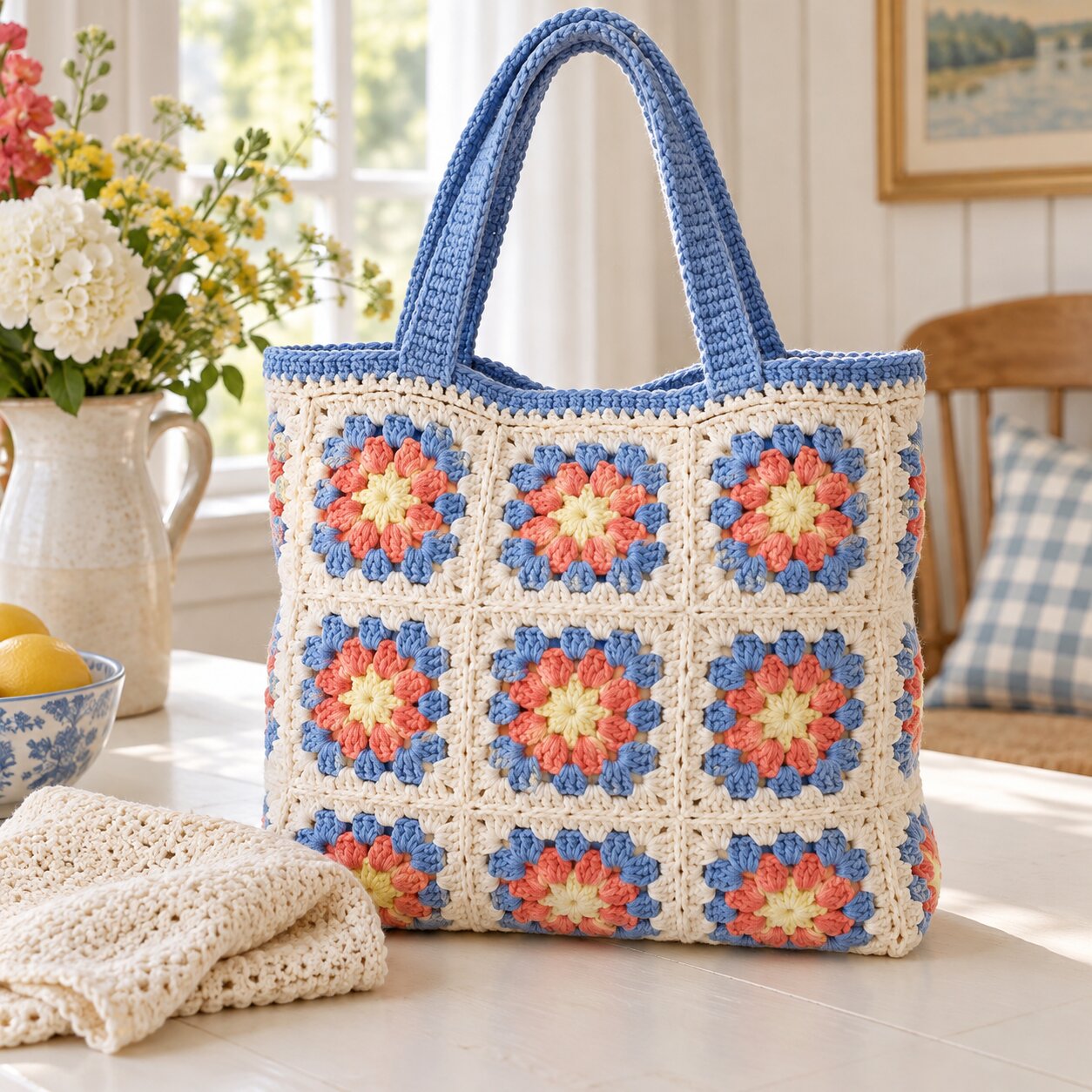
Using yarn that is too thin for a bag. A thin, stretchy yarn sags once it is filled. Choose a sturdy cotton and a firm tension.
Projects with a bit more to them
6. A baby blanket
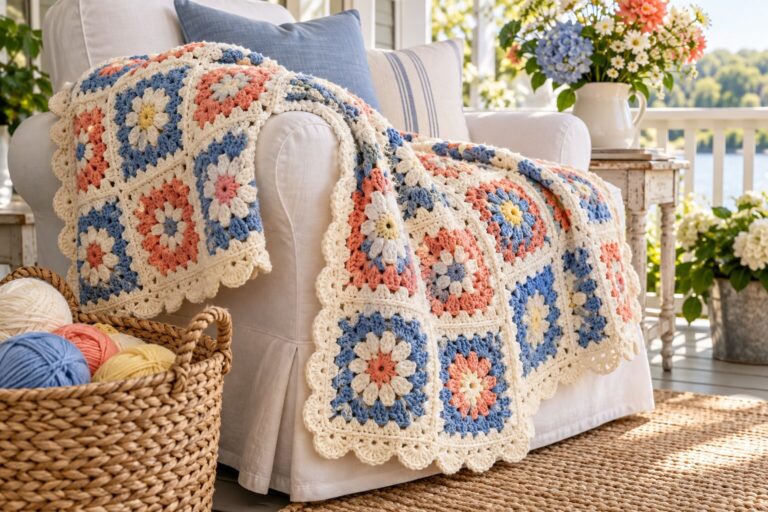
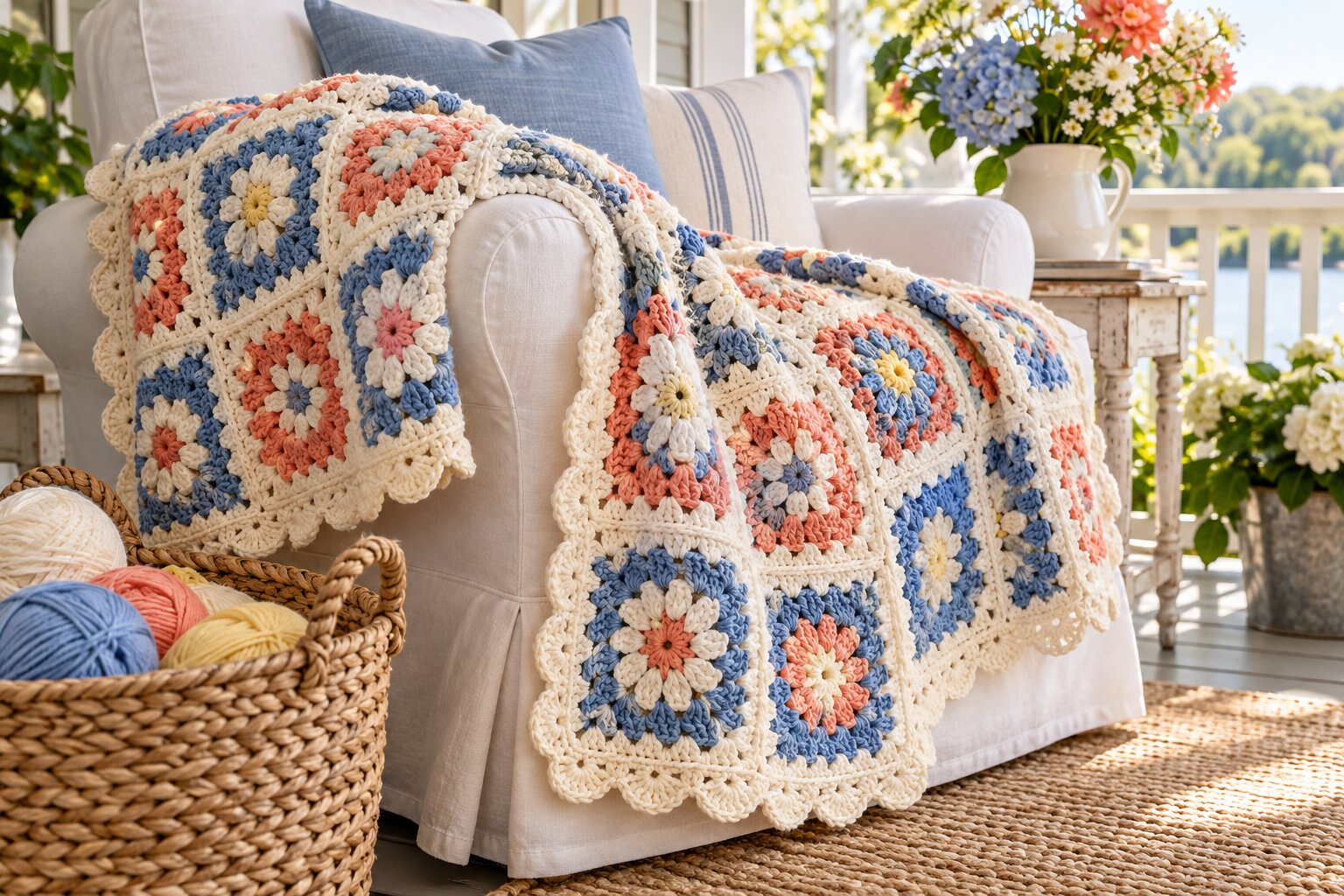
It is a bigger project, but the repetition is soothing. Choose a soft, washable yarn and a simple stitch pattern, and make it as large or as small as you like. Granny squares worked separately and joined together are a great way to make progress in small pieces.
7. A basic beanie
A hat worked in the round introduces you to increases and joining. Start at the crown and increase evenly until the circle is wide enough, then work straight down until it is long enough to cover your ears.
If you are unsure about size, try the hat on as you go. Crochet is forgiving, and you can always add or remove a row.
“
Small projects build big confidence.
Finishing touches that make it look polished
How to choose your first project
If you want a fast finish
Pick the dishcloth or a set of coasters. You will finish in an evening, and the repetition builds muscle memory. A quick win does wonders for motivation.
If you want something to use every day
A market bag or a headband gets used constantly, so you will see your progress every time you reach for it. Choose a sturdy cotton for the bag and a soft acrylic or wool blend for the headband.
If you want to give a gift
Coasters, dishcloths, and headbands make thoughtful handmade presents. Tie a few together with a ribbon, or pair a dishcloth with a bar of soap.
Whatever you choose, make a small swatch first. Ten minutes of testing a stitch tells you if your yarn and hook are a good match.
Troubleshooting common problems
| Problem | Likely cause | What to try |
|---|---|---|
| Edges get wider | Extra stitches at the start of a row | Count each row and use a stitch marker |
| Edges get narrower | Skipping the last stitch | Look for the turning chain from the previous row |
| Fabric curls | Tension is too tight | Relax your grip or go up a hook size |
| Circle ruffles | Too many increases | Add fewer stitches in the next round |
| Circle cups | Too few increases | Add a few more stitches evenly in the next round |
Frequently asked questions
Ready for your first project?
Start with everything in one place
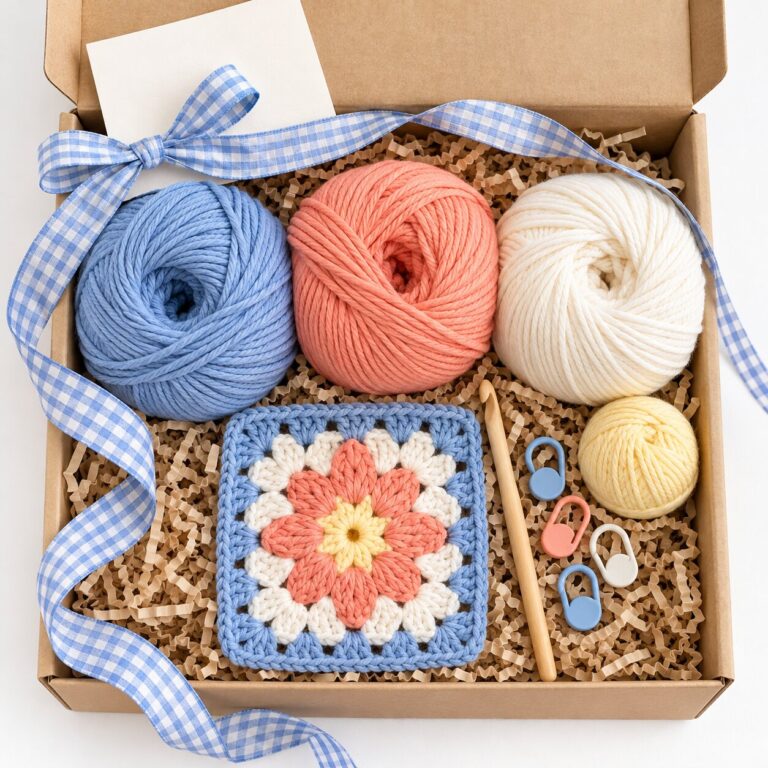
A gentle, beautiful way to begin, with the supplies gathered together so you can focus on the stitches.
Pick one project, gather your supplies, and start today. Your future self will thank you.