You don’t need expensive gear to take travel photos worth keeping — you need a handful of habits that most beginners skip entirely.
Gear That Actually Matters
Camera vs. Smartphone
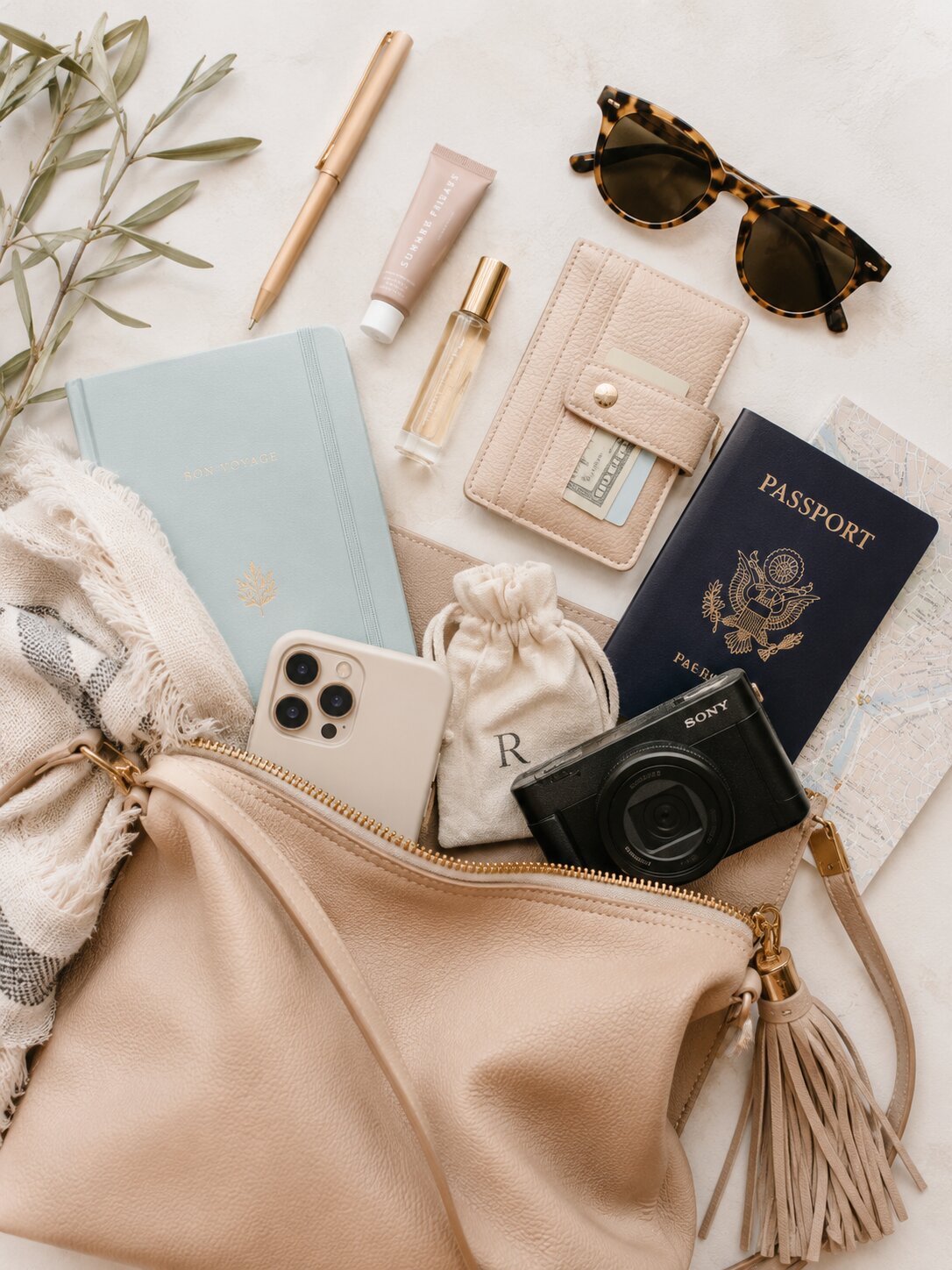
Modern smartphones handle 90% of travel scenarios well; a dedicated camera only pays off for low light, wildlife, or serious zoom needs.
The One Accessory Worth Buying
A lightweight tripod unlocks long exposures, group shots, and low-light photography that handheld shooting simply can’t match.
Composition Basics
Rule of Thirds
Place your subject off-center along an imaginary grid line instead of dead-center — it instantly makes photos feel more intentional.
Leading Lines
Roads, fences, rivers, and staircases naturally pull the eye through a frame toward your main subject.
Shooting in Golden Hour
The hour after sunrise and before sunset gives soft, warm light that flatters almost any scene — plan your best shots around it.
Photographing People Respectfully
Ask before photographing individuals up close, learn a simple phrase for ‘may I take your photo’ locally, and always be willing to hear no.
Editing and Sharing
Simple Mobile Editing Apps
Lightroom Mobile and Snapseed handle 95% of what most travel photos need — basic exposure, contrast, and crop adjustments — without a steep learning curve.
Backing Up Your Photos
Use the 3-2-1 rule on the road: at least two copies on different devices and one in the cloud, backed up whenever you find reliable wifi.
Choosing a Consistent Style
Applying the same editing preset across a trip’s photos makes a scattered gallery feel like a cohesive story instead of a random dump of images.
Knowing When Not to Shoot
Some of the best travel memories happen when the camera stays in the bag — don’t let documenting the trip replace actually experiencing it.
Final Thoughts
Good travel photography is less about equipment and more about slowing down long enough to actually see the scene in front of you.